by Miguel Delgado, MD | Jul 13, 2023 | Gynecomastia Surgery, Pre-Surgery
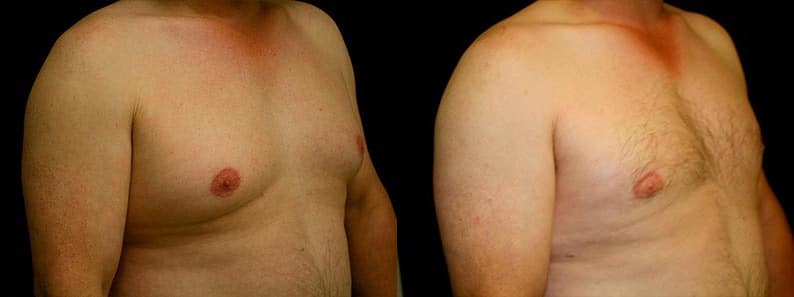
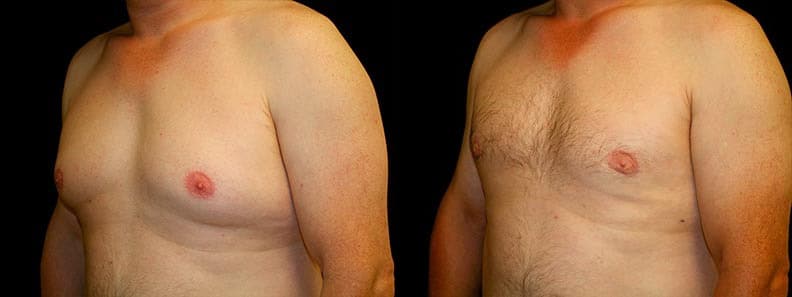
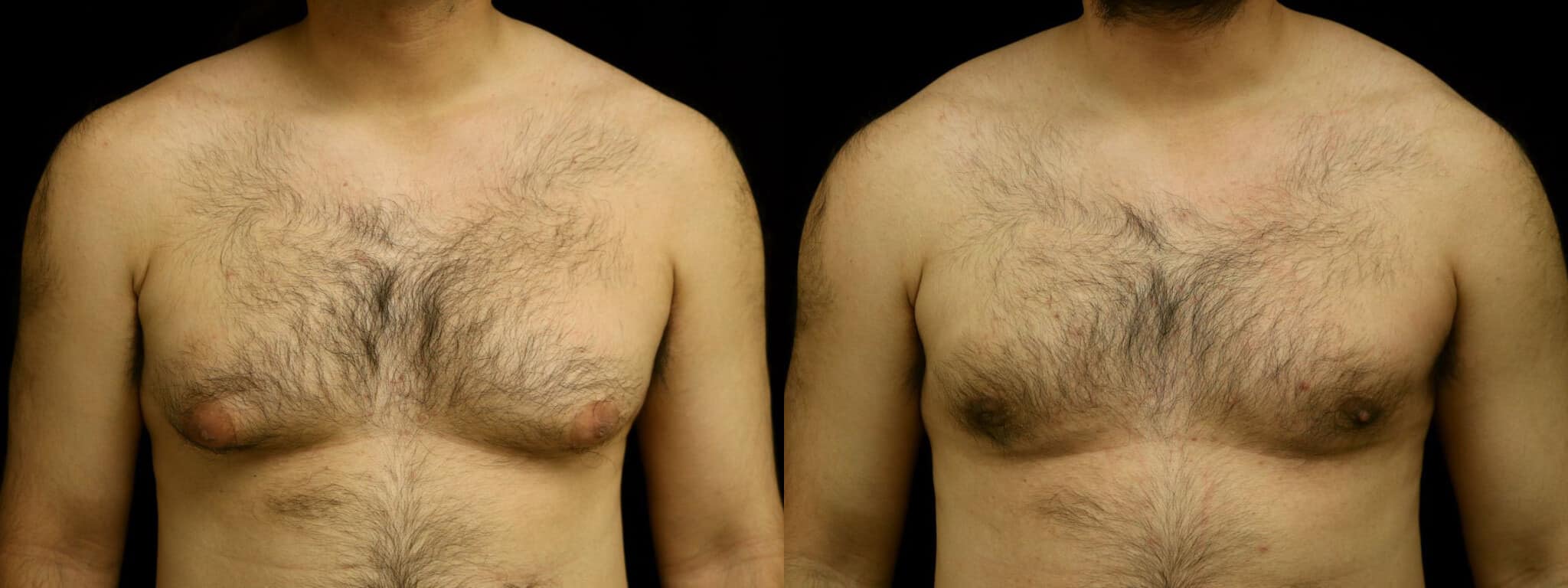
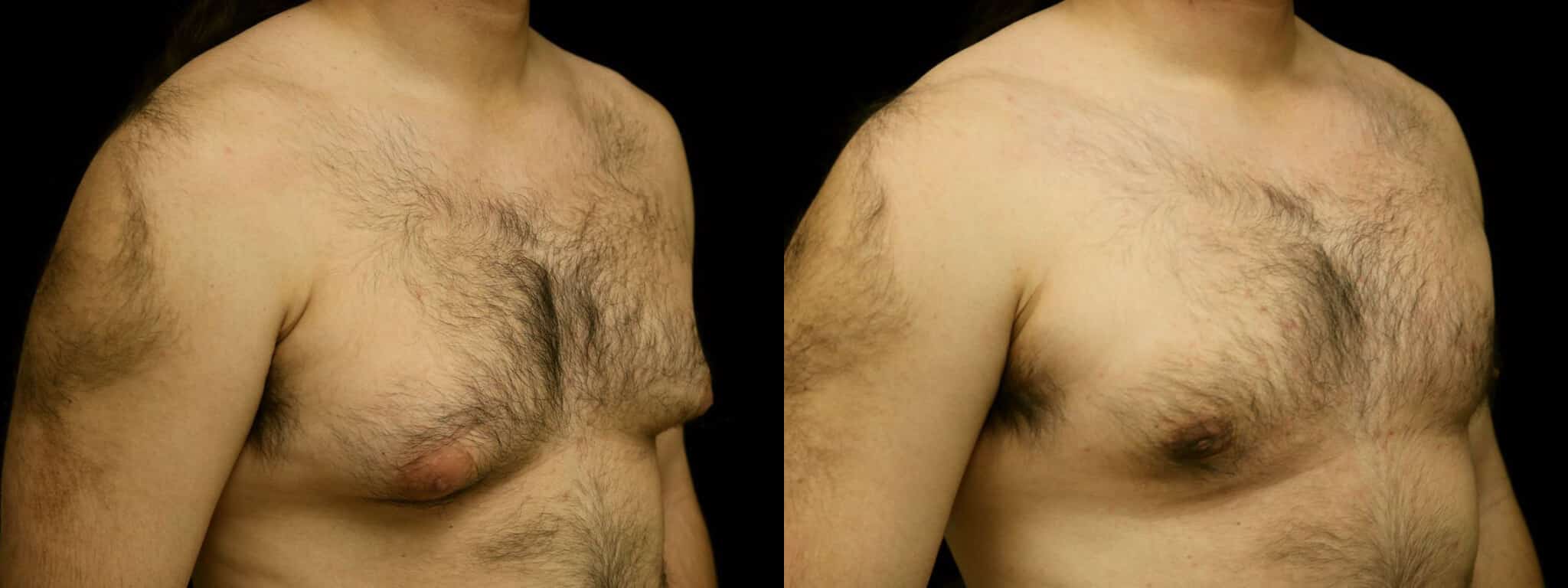
Are you a male with enlarged breast tissue, or what some call “man boobs”? If so, you may be suffering from gynecomastia. This condition can affect males of all ages, can affect one or both breasts, and take a toll on self-confidence, self-esteem, and healthy body image. The most common cause of gynecomastia is an imbalance in hormone levels. Thankfully, there is a permanent solution for gynecomastia: gynecomastia surgery or male breast reduction surgery. Read on to learn more about this surgical treatment and the risks that you should be aware of.
About Gynecomastia Surgery
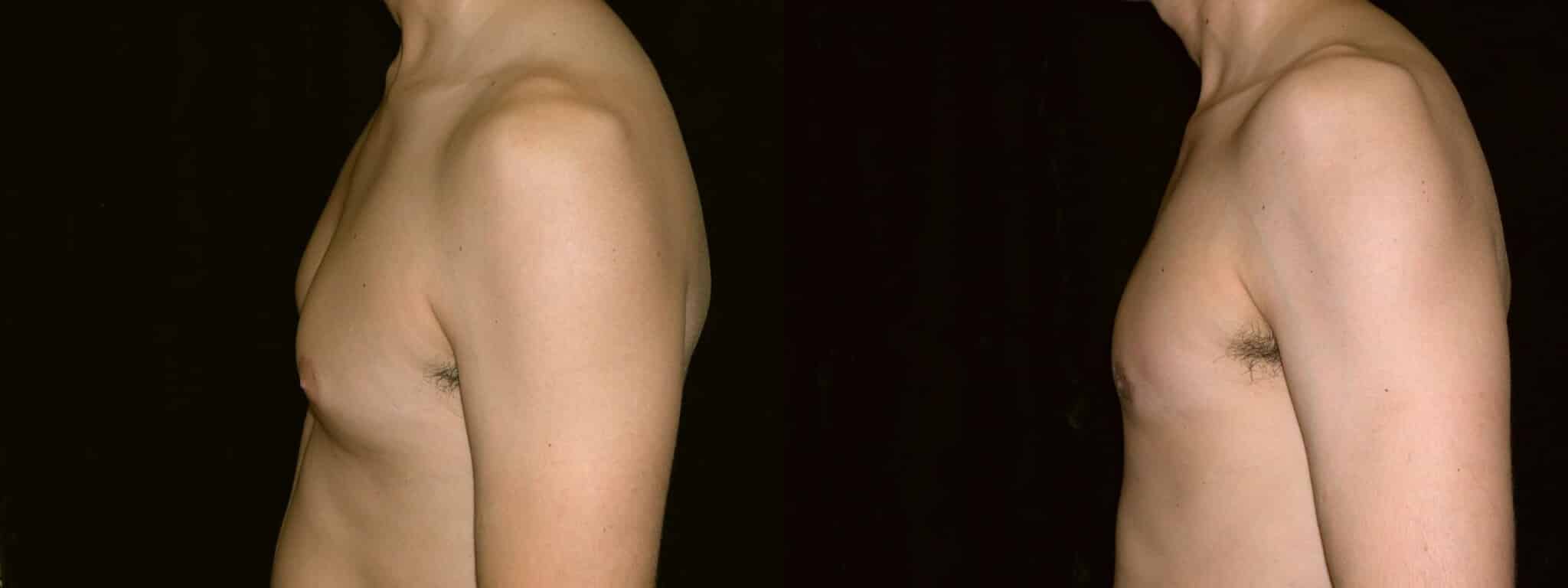
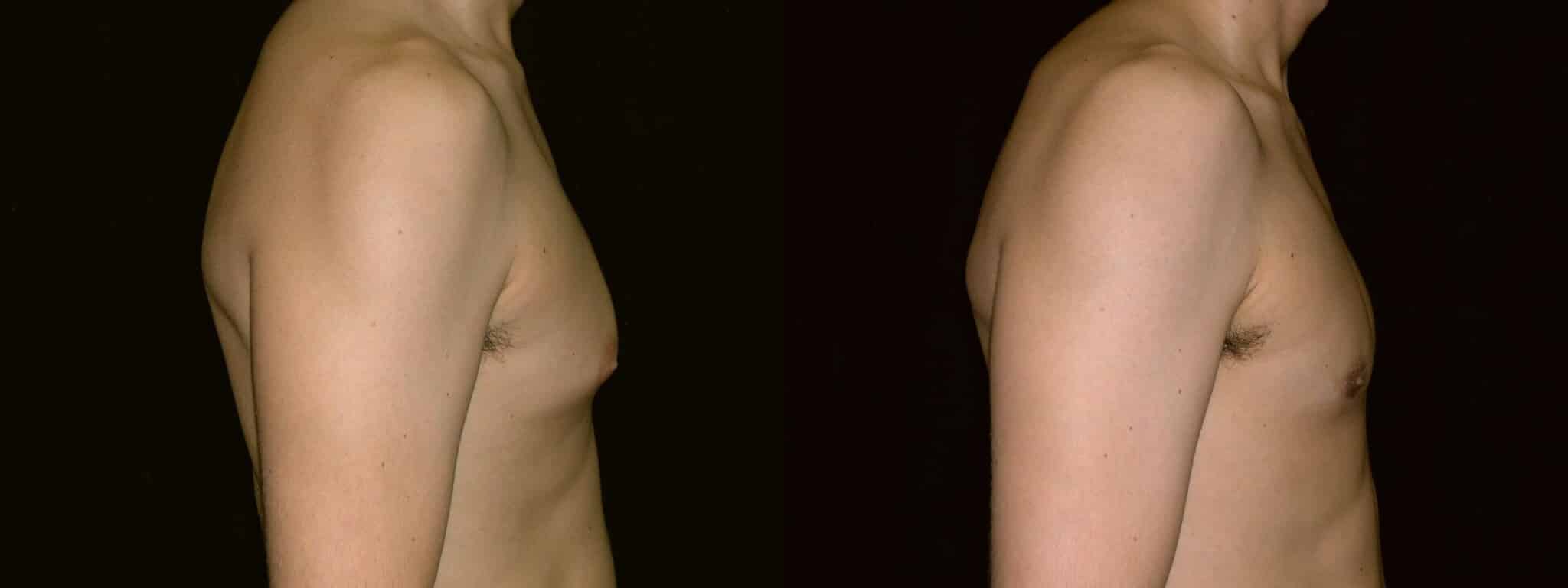
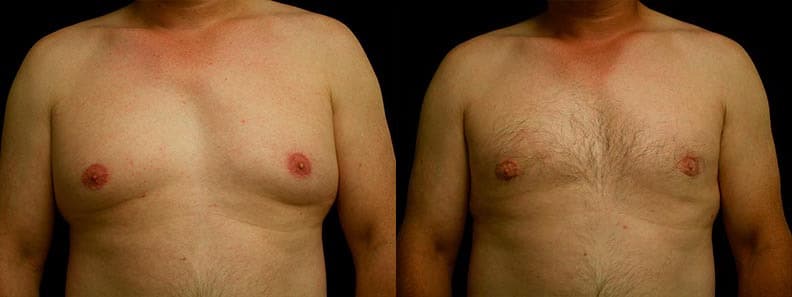
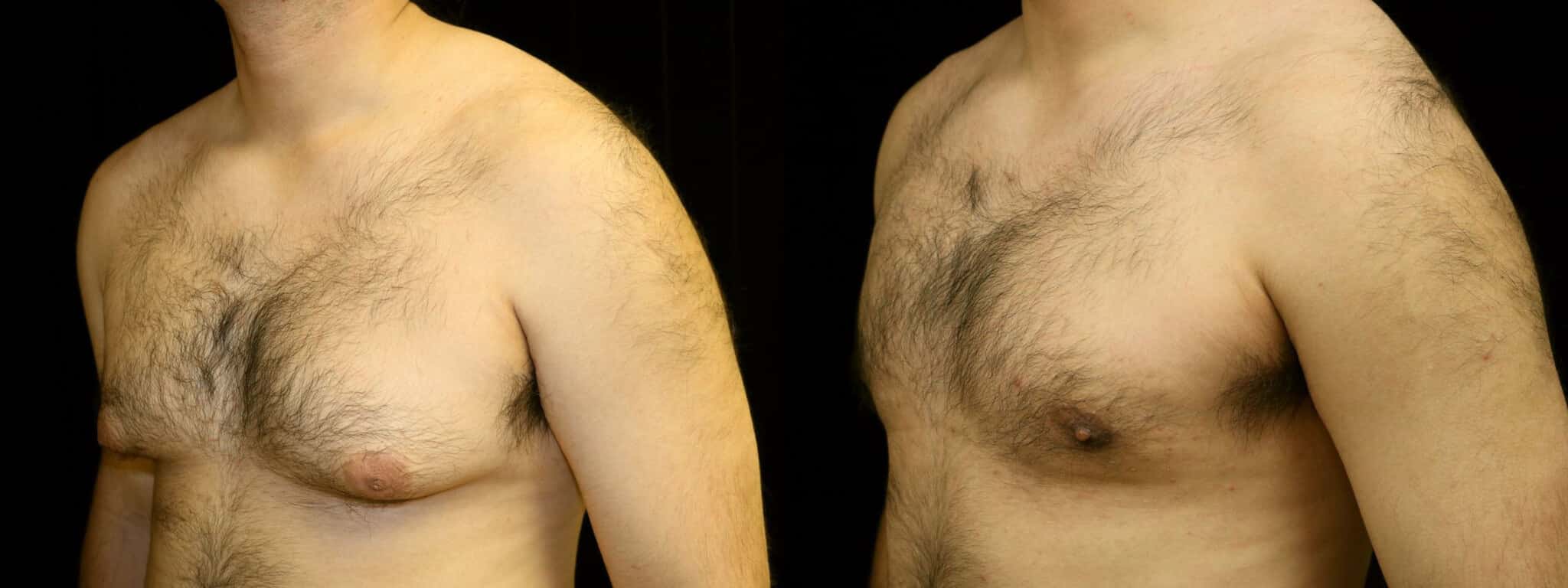
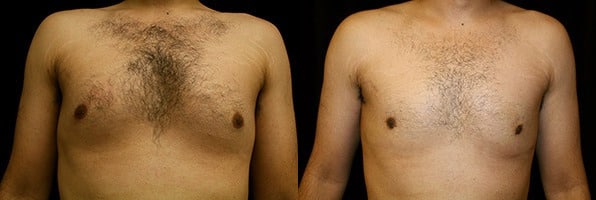
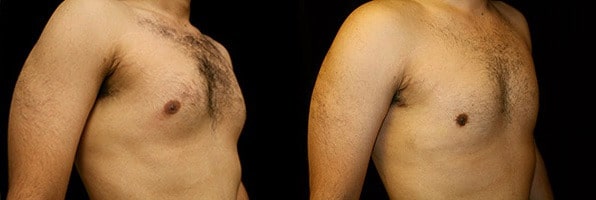
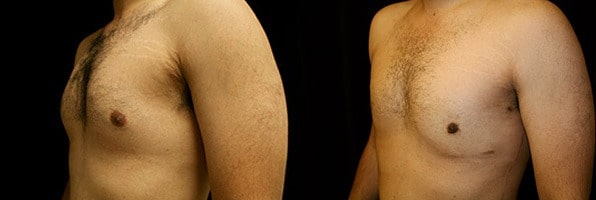
Gynecomastia surgery, also called male breast reduction surgery, is an effective solution for those living with excess breast tissue due to gynecomastia. It is performed under general anesthesia and serves as a chest contouring procedure that involves the surgical removal of gland tissue, excess tissue, and excess fat for a flatter, more masculine chest appearance. Overall, gynecomastia surgery is often deemed the best way to correct gynecomastia caused by glandular tissue.
Gynecomastia surgery is a form of plastic surgery, and when performed by a board-certified plastic surgeon, the risks associated are greatly reduced. This is because board-certified surgeons have extensive knowledge of surgical procedures and the experience needed to identify and mitigate any possible issues quickly and effectively.
Risks Associated with Gynecomastia Surgery
There are always some risks involved with any form of surgery, including gynecomastia surgery. These may include:
Hematoma
Hematoma occurs when blood collects under the skin. While very small hematomas can be massaged and may resolve on their own, larger hematomas require drainage to eliminate the excess blood. Dr. Delgado uses drains during this gynecomastia surgery to help prevent the risk of hematomas.
Scarring
Scarring is always a risk when it comes to any form of invasive surgery. Scarring can occur at the planned incision site, or may also occur at an unplanned site. However, visible scars generally heal well following gynecomastia surgery and Dr. Delgado can give you advice on which products to use to further improve scarring.
Infection
Infection following gynecomastia surgery is very rare. This is because antibiotics may be prescribed prior to surgery to decrease the risk even further. It is important to follow your surgeon’s aftercare instructions regarding hygiene to further prevent the risk of infection.
Nipple Sensation Loss
During gynecomastia surgery, some of the nerves that travel through the breast tissue to the nipple may be severed. This can lead to decreased nipple sensation.
Contour Irregularities
The risk of contour irregularities is greater when an individual undergoes surgery with an unskilled surgeon. A skilled board-certified plastic surgeon with ample experience performing gynecomastia surgery will understand the proper techniques to avoid irregularities for a flat, smooth chest.
Risk of Reoccurrence
The risk of gynecomastia recurring after surgery is rare when all glandular tissue is removed. When recurrence does occur, it is often because a hormonal stimulus has not been addressed or anabolic steroids are continued to be used after surgery.
Pain or Discomfort
Following gynecomastia surgery, patients may experience some level of pain or discomfort, which is to be expected. This pain should subside over time during the healing process, and your surgeon may prescribe you pain medication to help.
Deep Vein Thrombosis or Cardiopulmonary Issues
Any surgical procedure can lead to the risk of deep vein thrombosis (DVT), which may lead to cardiopulmonary problems. This is rare, though it is important that patients are aware of the risk.
Schedule a Gynecomastia Surgery Consultation
For further information regarding gynecomastia surgery in San Francisco Bay Area, please contact Dr. Delgado today. Your first step will be to schedule an initial consultation appointment to discuss your aesthetic concerns and desired result.
Gynecomastia Surgery FAQs
Does gynecomastia surgery involve liposuction?
In some cases, the procedure includes liposuction to remove excess fatty tissue for an improved chest contour.
Does insurance cover gynecomastia surgery?
Because gynecomastia surgery is often an elective procedure, insurance does not cover the cost.
Are all men with large male breasts a candidate for gynecomastia surgery?
To determine if gynecomastia surgery is right for you, you should consult with a physician to first obtain a diagnosis. Common signs of gynecomastia include swollen or puffy nipples, nipple discharge, nipple sensitivity, male breast tissue discomfort, and more.
Can gynecomastia surgery cause male breast cancer?
No, gynecomastia surgery has no links to the cause of male breast cancer.

by Miguel Delgado, MD | Jun 19, 2023 | Gynecomastia Surgery, Post-Op
Gynecomastia is a condition that causes excess breast tissue in males as well as other symptoms, which can have a negative impact on an individual’s self-esteem and mental health. For cases of true gynecomastia, gynecomastia surgery is the most effective treatment option for permanent results. However, before choosing to undergo any form of surgery, it is important to understand what to expect post-op. Read on for an overview of what to expect following gynecomastia surgery and how to manage any discomfort.
What to Expect After Gynecomastia Surgery
Ultimately, the recovery time following surgery depends on the individual patient, the invasiveness of the surgery, and how well the patient adheres to aftercare instructions. However, the typical recovery time for most patients is 4-6 weeks.
For the first few days directly after surgery, you may experience discomfort, tenderness, and tightness in the chest area. Some people may also experience some nausea from the anesthesia used during the procedure. Swelling of the chest area is also to be expected, which can be reduced with the use of a chest compression garment.
By weeks 3-4, compression garments may no longer be required. The majority of swelling and bruising should be resolved, revealing more accurate visual results of the procedure.
By week 6 the recovery process should be near or at completion. Most patients will be able to freely return to most forms of exercise, including movements that put a strain on the chest area. Some mild swelling may still be noticeable in the pectoralis majors, which will naturally resolve over the next couple of weeks.
Pain Management
Mild to moderate pain or discomfort is to be expected following any type of surgery, especially during the first few days. Over-the-counter or prescription pain medication can help with this. Pain severity will depend on the individual and their tolerance level. While some discomfort is to be expected, please do not hesitate to reach out to Dr. Delgado if you are experiencing severe pain or are unsure if you are healing properly.
Tips For a Quick Gynecomastia Surgery Recovery
The healing process following gynecomastia surgery is usually quite easy. While Dr. Delgado will provide you with specific post-surgery instructions, here are some basic tips to help ensure a speedy recovery.
- Wear your compression garment as directed. You will be required to wear a compression garment to ensure proper healing of the chest for the best possible outcomes.
- Attend all post-op appointments with Dr. Delgado, which are imperative to ensure proper healing.
- Cold compresses can be applied to the chest to help reduce swelling and discomfort. However, you should never apply an ice pack directly to the skin! Instead, place an ice pack in a cloth or towel and then place it against your skin.
- Stay hydrated by drinking at least 64 ounces of water a day.
- Sleep on your back. Propping yourself up with pillows can help this position feel more comfortable after your male breast reduction surgery.
- Limit any physical activity until you are cleared by Dr. Delgado. For one month following surgery, you should avoid chest and arm exercises. Full body training can often be resumed about one month following surgery. An inability to follow these guidelines may delay healing.
Gynecomastia Specialist in San Francisco
If you are considering gynecomastia surgery or would like to learn more about this treatment option, please contact Dr. Delgado today. A highly skilled board-certified plastic surgeon, Dr. Delgado has been treating patients with gynecomastia for over 30 years and is committed to providing natural-looking surgical outcomes for his patients.
Gynecomastia FAQs
Are there other procedures that can be combined with gynecomastia surgery?
Another common procedure that can be performed in conjunction with gynecomastia surgery is nipple reduction surgery. More surgery options can be found on gynecomastia-specialist.com
What causes gynecomastia in males?
Gynecomastia can be caused by hormonal imbalance, specific medicines, drugs, or anabolic steroid use.
What are some common complications associated with gynecomastia surgery?
As with any form of surgery, there is a risk of complications with gynecomastia surgery. These may include but are not limited to, bruising, bleeding, wound infections, allergic reactions, asymmetries, loose breast skin, and more. However, when performed by a skilled, board-certified plastic surgeon such as Dr. Delgado, these risks are greatly reduced.
Note: If you ever experience trouble breathing, chest pain, or rapid blood loss following any type of surgical procedure, it is deemed a medical emergency and you should seek medical attention immediately.
What are the most common symptoms of gynecomastia?
Gynecomastia is often characterized by the following symptoms:
- Enlarged or excess tissue in the breast area
- Puffiness beneath the nipple
- Nipple discomfort/pain
- Nipple discharge
Are all cases of gynecomastia treated the same?
Overall treatment depends on your individual symptoms, your desired outcomes, and your overall health. For example, severe cases of gynecomastia may be treated differently than mild cases.
How do I prepare for gynecomastia surgery?
Prior to your surgery, Dr. Delgado may have you adjust or stop certain medications such as blood thinners, stop smoking, and more. Preparation steps can be discussed during your consultation appointment.

by Miguel Delgado, MD | Apr 27, 2023 | Gynecomastia Surgery, Living with Gynecomastia
The primary concern regarding gynecomastia surgery is often the longevity of the results. Patients want to know whether or not gynecomastia surgery will provide them with permanent relief from gynecomastia symptoms, such as excess male breast tissue. Fortunately, the results of gynecomastia surgery are permanent, and below, we’ll tell you exactly why.
What is Gynecomastia?
First, let’s begin by touching on gynecomastia. This condition causes excess male breast tissue, resulting in enlarged breasts, or “man boobs”. It is often caused by an imbalance in hormone levels, which often occurs during puberty. However, gynecomastia can affect males of any age.
The Gynecomastia Surgery Procedure
Unlike most body contouring procedures, which target stubborn fat, gynecomastia surgery is actually removing glandular tissue. When fat cells are removed, fat can easily reaccumulate if a patient doesn’t maintain healthy lifestyle habits. But the tissue that is removed will not grow back. The appearance of “man boobs” is caused by excess breast tissue in the chest, not the presence of fat cells. So, when this tissue is removed via gynecomastia surgery, it permanently removes it from the body, along with excess skin, and provides a long-lasting sculpted appearance.
After Your Gynecomastia Surgery
Keep in mind that the results from your gynecomastia surgery will largely be reliant on how you handle your recovery period and your lifestyle following treatment. While gynecomastia can permanently eliminate excess breast tissue, it cannot prevent the accumulation of fat in the chest and surrounding areas. You need to be aware that future weight gain may lead to chest fat concerns due to the potential accumulation of body fat in the chest where gynecomastia once affected you. Fortunately, as this is just fat-related weight gain, it can be more easily eliminated with diet and gynecomastia exercise when necessary.
Do I Need Gynecomastia Surgery?
The first step in determining if you need gynecomastia surgery is determining whether your symptoms are actually gynecomastia-related. If so, you’ve probably noticed that your chest remains unchanged despite diet and exercise habits. If you merely have stubborn fat in the chest, there may be other treatment options, including non-surgical ones, that will be more suitable than gynecomastia surgery. In cases where the appearance of man boobs is a result of gynecomastia and the buildup of fatty tissue and glandular tissue in the chest, gynecomastia surgery is often the best course of treatment to produce the desired chest contours.
Schedule a Consultation
Are you ready to treat your enlarged male breast tissue once and for all? If you are interested in learning more about male breast reduction surgery, please contact Dr. Delgado today. As a board-certified plastic surgeon, he is highly skilled in performing male breast reduction surgery on patients of all backgrounds to help improve their quality of life. Dr. Delgado has two convenient locations in Novato, CA, and San Francisco, CA.
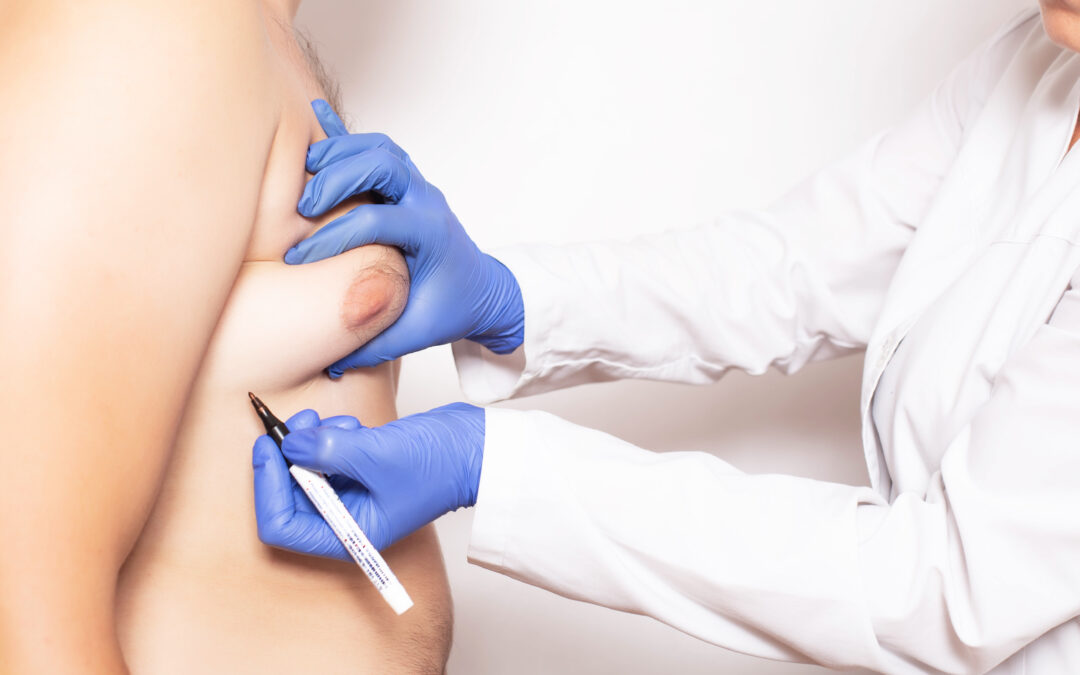
by Miguel Delgado, MD | Apr 7, 2023 | Gynecomastia Surgery, Pre-Surgery
When undergoing any type of surgical procedure, anesthesia will be used to keep the patient comfortable and allow for a safe procedure. Read on to learn more about the anesthesia options used for male breast surgery.
What is Gynecomastia?
Gynecomastia is a condition that causes enlarged male breasts in both boys and men. Male breast enlargement can be caused by a range of factors, including hormonal imbalance, certain medications, illegal drugs, and more.
It is important to understand the difference between true gynecomastia and pseudo-gynecomastia. While true gynecomastia is caused by an increase in glandular tissue and breast tissue, pseudo-gynecomastia is primarily caused by excess fatty tissue to weight gain.
The most effective solution for true gynecomastia is gynecomastia surgery, or male breast reduction surgery. This procedure can be performed under a number of different types of anesthesia. Read on to learn more.
Types of Anesthesia
General Anesthesia
General anesthesia causes patients to fall into a sleep-like state with the use of a combination of medicines. This type of anesthesia is performed with an endotracheal tube or a laryngeal mask, also called an LMA. This is a lighter form of general anesthesia. It is considered a safe form of anesthesia for those without serious health conditions.
Local Anesthesia
This type of anesthesia is used to numb a specific area of the body and contains an infiltration of lidocaine, marcaine, epinephrine, and bicarbonate. Unlike general anesthesia, local anesthetics do not cause you to lose consciousness. Because of this, they are generally safer, and are associated with quicker recovery.
IV (Intravenous) Sedation
IV sedation refers to the administering of medication through the blood. Sedation relaxes you and sometimes makes you fall asleep. This type of sedation is often used for shorter, less complex procedures.
Determining Your Anesthesia for Male Breast Reduction Surgery
Dr. Delgado performs the majority of male breast reduction surgery under light general anesthesia. This is because it gives him total control during surgery and keeps the patient comfortable, as well as avoids excess bleeding for the best outcomes.
The best way to determine which anesthesia option is best for you is to discuss your procedure with a board-certified plastic surgeon such as Dr. Delgado during a consultation appointment.
Schedule Your Consultation
If you are tired of living with gynecomastia and are seeking male breast reduction treatment, please contact Dr. Delgado in San Francisco, CA today! You can give us a call or fill out our online contact form to get started.

by Miguel Delgado, MD | Jan 30, 2023 | Gynecomastia Surgery, Post-Op
When men are looking into gynecomastia surgery for a more masculine-looking chest, one of the most common concerns is what their scar might look like following the procedure. In many cases, incisions are necessary to adequately remove glandular tissue, skin, and fat that might be contributing to enlarged breast shape. However, this doesn’t mean that your incisions will lead to unsightly scars, especially if you know how to take care of them in the days, weeks, and months following your procedure.
Causes of Surgical Scars
Not all surgeries necessarily result in scars that others notice when they see the place where it was performed. At the same time, whenever the skin is damaged, it heals in particular ways, often creating fine lines of scar tissue, red lines, or other markers of is history. This is because your skin does one of several things when it heals: it creates extra collagen – supportive proteins that provide internal structure between skin cells – and responds to your body’s wound-healing process, involving the immune system, platelets, and inflammation. These all contribute to the final long-lasting appearance of any wound, from a scraped knee to a surgical scar.
When it comes to surgery, scarring is influenced by three major things:
- The surgeon’s skill
- The location of the incision
- The type of surgery
With precise incision markings, creation, and sealing, surgeries don’t have to result in deep scars. An experienced gynecomastia surgeon like Dr. Miguel Delgado makes precise incisions with minimal invasiveness to prevent excess scarring. There are additional risk factors, however, that can contribute to unsightly wounds after surgery.
Risk Factors for Adverse Scarring
Not everyone is an ideal candidate for gynecomastia surgery with little scarring. Risk factors like age, lifestyle habits, or other unchangeable scenarios can change your reaction to the surgery.
Lifestyle Habits
One of the most commonly instructed preparation steps before surgery of any kind is to stop smoking if you currently do. Smoking inhibits the immune system to the point where the skin doesn’t heal as quickly or effectively as non-smokers. Other behaviors, such as frequent sun exposure without protection or exposure to certain environmental pollutants can also hinder the skin’s ability to heal, resulting in worse scars after gynecomastia surgery.
Age
Older people have less collagen throughout their body, meaning their skin isn’t as tight, resilient, or elastic, which plays into how they heal after surgery. The older you have surgery, the less likely it is that your results will be unnoticeable.
Genetics
Finally, at the end of the day, some people simply heal better following wounds or surgery because of their genetics. The healing process is complicated but involves more than just surface-level factors. Some people literally have thicker, more resilient skin that doesn’t produce visible scars no matter how invasive the procedure or where it’s performed.
Preventing Adverse Scarring
Besides eliminating habits like smoking, there may be a few things you can do to help prevent persistent scar tissue from forming after gynecomastia surgery. Research shows that eating plenty of protein along with a balanced diet provides the nutrients your skin needs to heal effectively following gynecomastia surgery.
Not only for scarring, but also for complete, quick recovery, it’s important to follow all of your doctor’s directions for recovering from your specific male breast reduction surgery. You should clean your wound as instructed, follow care guidelines, and change any bandages as necessary.
Finally, keep pressure and tension off your incision sites as much as physically possible. This means refraining from lifting anything but light objects, avoiding strenuous activities, and performing therapeutic exercises to prevent undue stress on the vulnerable site.
Gynecomastia Scar Treatment
There may be additional ways beyond minimizing risk factors for extensive scarring to help you enjoy the most benefits from your male breast reduction surgery. By consulting with a highly experienced gynecomastia expert like Dr. Miguel Delgado, you can find out what your ideal surgery might look like, especially after the procedure itself. Learn more about gynecomastia and your options for treatment by browsing our leading gynecomastia forum.

by Miguel Delgado, MD | Feb 18, 2018 | Gynecomastia Surgery, Post-Op
Following gynecomastia surgery, a compression vest may be part of your post-surgery recovery. Compression vests are specially designed garments that compress and support the chest area following a surgical procedure in order to reduce swelling and support the new body contour. Read on to learn more about the importance of compression vests and what role they play in the healing process.
The Importance of the Compression Vest
Not all surgeons require a compression vest after surgery, and some for only a short time. Dr. Delgado has his gynecomastia patients wear a compression vest 24/7 for 6 weeks after surgery. Two vests are provided, one at the time of surgery, which is heavier with an elastic-velcro strap to reduce bleeding. The second is applied after the drains are out and is lighter, shorter, and easy to camouflage under a shirt. The vests may be a little uncomfortable but is necessary for the healing process. They should be worn snugly, but not tight.
Dr. Miguel Delgado recommends the vest be worn 24/7 for 4 to 6 weeks, depending on how the patient is healing. The vest should only be removed when showering.
The purpose of the vest is to aid the skin to contract. The vest helps increase the flow of blood and prevent the collection of excess fluid. Additionally, the compression vest controls the amount of swelling and aids in binding the chest tissues, all while decreasing post-op pain.
After initial healing, Dr. Delgado has his patients graduate to a second vest that is thinner and has a lining of soft T-shirt material with compression in the chest area only. Men who wear dress shirts state that these vests are not visible and more comfortable.
Schedule a Gynecomastia Surgery Consultation
Patients in San Francisco and the Bay Area who are seeking a permanent solution to their gynecomastia can trust Dr. Delgado to provide natural-looking and optimal results. If you are interested in learning more about gynecomastia, male breast reduction, what to expect post-surgery regarding male compression vests, and more, please contact Dr. Delgado today to schedule a consultation appointment in Novato or San Francisco, CA.
Compression Vest FAQs
How tight should the compression vest be after gynecomastia surgery?
The garment should fit snugly but not so tight that you have trouble breathing or you develop wounds or blisters from the compression.
What happens if I don’t wear a compression vest after gynecomastia surgery?
Wearing a compression vest after surgery is recommended to minimize swelling and bruising, which can result in a shorter wound healing time. Compression vests also help to prevent hematomas.
Can I take my compression vest off for a few hours?
While you are free to take your compression vest off to bathe or wash, it is essential that you wear it as directed by Dr. Delgado. For questions regarding compression vests, please contact our office today.
What will happen if I stop wearing my compression garment?
Not wearing your compression garment can greatly increase the risk of noticeable scarring, prolonged swelling, and bruising.