
Key Takeaways
Current GLP-1 drugs, including semaglutide and tirzepatide, do not directly treat gynecomastia when the problem is true glandular breast tissue. However, they can reduce chest fat in pseudogynecomastia, which may make male breasts look smaller during a weight loss journey.
- GLP-1 medications help with weight loss, blood sugar control, and obesity-related health conditions, but they cannot shrink established glandular breast tissue.
- Persistent male breast enlargement after significant weight loss usually requires male breast reduction surgery for definitive correction.
- A healthcare provider or gynecomastia specialist should distinguish breast tissue from fat using client history, physical exams, clinical features, and when indicated, imaging or hormone levels.
- Dr. Miguel Delgado offers virtual and in-office consultations for men using or considering GLP-1 medications to combat enlarged breasts or planning gynecomastia surgery.
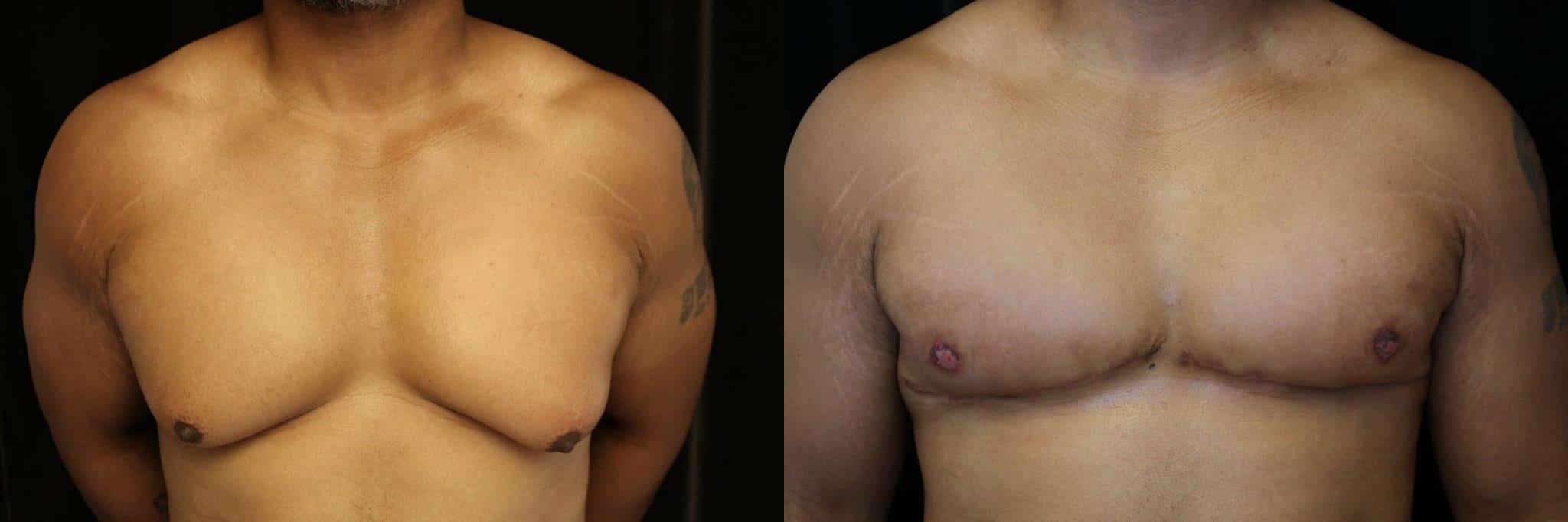
What Are GLP-1 Drugs and How Do They Work?
GLP-1, or glucagon-like peptide-, is a natural hormone released by the gut after eating. It helps regulate blood sugar, appetite, digestion, and fullness.
GLP-1 receptor agonist medications, such as semaglutide, tirzepatide, liraglutide, and newer oral agents, are FDA approved for type 2 diabetes and chronic weight management. Some are taken as a weekly injection, while certain newer agents may be available as a daily pill. Wegovy® contains the active ingredient semaglutide and is used for chronic weight management.
These medications work by helping patients:
- Reduce hunger and food cravings.
- Feel full sooner and longer.
- Slow stomach emptying, which can reduce calorie intake.
Clinical trials show that GLP-1 receptor agonists promote substantial weight loss, often 15-20% in clinical trials, although average weight loss varies by medication, dose, diet, exercise, and starting body weight. GLP-1 therapy is an important tool in obesity care, but these drugs act mainly through appetite and metabolism—not directly changing breast tissue or sex hormone levels.
Gynecomastia vs. Pseudogynecomastia: What’s Really Enlarging the Chest?
“Man boobs” can come from true gynecomastia, pseudogynecomastia, or both. The key difference is whether the enlarged chest is caused by excess glandular tissue, fat accumulation, or a combination of the two.
True gynecomastia is enlarged male breast tissue that feels firm or rubbery under and around the nipple-areola complex. It may affect one or both breasts and is usually driven by a hormonal imbalance. An imbalance between estrogen and testosterone levels can lead to the development of gynecomastia, as estrogen stimulates breast tissue growth while testosterone inhibits it.
Pseudogynecomastia is fatty chest enlargement caused primarily by excess body weight and localized fat. It is more common in men with a higher body mass index or long-standing obesity. Fatty chest tissue often feels soft rather than firm.
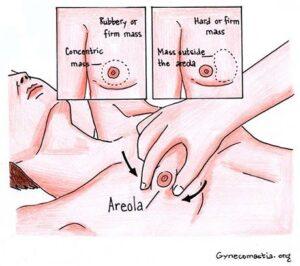
A simple self-check can help: soft, even fullness across the entire body-facing chest area suggests fat, while a firm mound behind the nipple suggests glandular breast tissue. However, a self-exam is not enough. A professional evaluation is important to rule out breast cancer, especially with nipple discharge, a hard one-sided lump, skin changes, or rapidly changing breast size, and to confirm the diagnosis and best treatment options for gynecomastia.
Most adult gynecomastia cases are mixed. That is why weight loss can improve breast enlargement, but may not fully correct enlarged male breast tissue.
Do GLP-1 Drugs Treat Gynecomastia Directly?
The direct answer is no: GLP-1 medications do not remove glandular breast tissue and are not currently considered a direct treatment for gynecomastia. They can, however, reduce the appearance of pseudogynecomastia by helping patients lose fat.
GLP-1 drugs primarily act on:
- Appetite and satiety.
- Blood sugar and insulin response.
- Total body weight and metabolic health.
They do not directly correct the estrogen levels or testosterone levels that cause gynecomastia in many patients. Current data through 2025 show improved body composition and metabolic health, but no strong clinical trials proving that GLP-1 medications reliably reverse established male breast tissue.
Research indicates that GLP-1s can positively influence the male endocrine profile through successful weight reduction. Weight loss via GLP-1 therapy can help improve reproductive health by increasing testosterone levels. Emerging research highlights that medications targeting GLP-1 receptors are effective at treating obesity-related metabolic hypogonadism. By reducing obesity, GLP-1 drugs can help normalize hormone levels.
Still, semaglutide can help reduce body weight and fat, but it does not address the underlying glandular tissue growth associated with gynecomastia, which may necessitate surgical options for complete resolution.
GLP-1 Drugs and Pseudogynecomastia: When Weight Loss Helps the Chest
Pseudogynecomastia responds best to weight loss because the main issue is fat, not true breast tissue growth. For men whose enlarged breasts are mostly fat, GLP-1 therapy can create a visible improvement.
Losing 10-20% of total body weight typically reduces body fat, including fat in the male breast region. GLP-1 drugs can be effective in reducing the appearance of pseudogynecomastia by facilitating significant weight loss. Semaglutide, marketed as Wegovy®, is a GLP-1 drug that aids in weight loss, which indirectly affects gynecomastia by reducing body fat, but does not eliminate the glandular tissue associated with the condition.
Obesity is also a common cause of gynecomastia, as excess fat tissue can convert androgens into estrogens, leading to an increased estrogen-to-testosterone ratio. Adipose tissue contains an enzyme called aromatase, which converts testosterone into estrogen. In simple terms, excess fat can create more estrogen activity in the male chest.
There is one catch: after major fat loss, the remaining firm gland may become more visible. Weight loss achieved through semaglutide can lead to a condition referred to as “Wegovy chest,” which may require surgical intervention for those with persistent gynecomastia after significant weight loss. Men should reassess their chest after weight has been stable for several months.

How Hormones, Health Conditions, and Medications Cause Gynecomastia
Men develop gynecomastia when the estrogen effect outweighs the testosterone effect in male breast tissue. Natural hormone changes can occur in male babies, during puberty, and in men over 50. More than half of adolescent boys may experience temporary breast enlargement during puberty.
Common medical conditions that affect hormone levels and can contribute to teenage gynecomastia during puberty include:
- Primary and secondary hypogonadism, which results in decreased testosterone production, can lead to gynecomastia due to the relative excess of estrogen.
- Chronic kidney disease and liver cirrhosis can cause hormonal imbalances that may lead to gynecomastia.
- Liver disease, liver failure, kidney failure, hyperthyroidism, and obesity-related aromatase activity can increase risk because adipose tissue contains aromatase that converts testosterone into estrogen and converts androgens into estrogens.
- Klinefelter syndrome, pituitary gland problems, adrenal gland disorders, testicular tumors, and some prostate cancer treatments can disrupt testosterone or estrogen balance, including cases of gynecomastia caused by identifiable disorders or syndromes.
Certain medications can also cause gynecomastia. Medications that raise estrogen, lower testosterone, or block androgen receptors can lead patients to develop gynecomastia. This includes some anti-androgens, spironolactone, antidepressants, heart medications, anabolic steroids, alcohol, and marijuana, as well as drugs such as finasteride that have been linked to medication-induced gynecomastia in men.
If you are taking medications and notice tender breasts, swelling, or new breast enlargement, review prescriptions with a healthcare provider. GLP-1 drugs themselves are not currently recognized by major references as common direct causes of gynecomastia, but they can reveal pre-existing breast tissue when fat is lost. Men with hypogonadism or Klinefelter syndrome may also have an increased risk of breast cancer, so evaluation remains important. Not every case can prevent gynecomastia, but early evaluation can identify reversible causes.
When GLP-1 Weight Loss Isn’t Enough: Surgical Male Breast Reduction
When glandular gynecomastia persists after weight loss, gynecomastia surgery is the most definitive gynecomastia treatment. If chronic gynecomastia does not respond to medical treatment, surgical removal of glandular breast tissue is usually required. Surgery is considered the most effective known treatment for gynecomastia, even though targeted exercise and fat loss can help reduce man boobs caused by excess chest fat.
The surgical procedure is customized to the patient. Surgical options for gynecomastia include subcutaneous mastectomy, liposuction-assisted mastectomy, laser-assisted liposuction, and laser-lipolysis without liposuction. Practically, many plastic surgeons combine liposuction for excess fat with direct excision of firm glandular tissue through small incisions near the areola.
After massive weight loss, some men also have excess skin, stretched areolas, or sagging. These patients may need skin removal or more advanced reshaping to restore a masculine chest contour.
Typical recovery includes wearing a compression garment, limiting upper-body exercise for several weeks, and returning to desk work in about one week. Timing matters. Surgery is usually best once body weight is stable, because continued weight changes can affect the result.
Dr. Miguel Delgado’s Approach to Gynecomastia in Men Using GLP-1 Drugs
Dr. Miguel Delgado is a San Francisco Bay Area board-certified plastic surgeon with more than 30 years of experience, specializing in male breast reduction. He has performed thousands of gynecomastia surgeries and routinely evaluates men who have lost significant weight, including patients using GLP-1 medications such as semaglutide or tirzepatide.
40% of Dr.Delgado’s practice is devoted to revision surgery for patients who are unhappy with their prior surgery. This is a testament to his expertise.
His evaluation begins with a detailed history inquiry, including GLP-1 use, weight history, hormone changes, anabolic steroids, medical conditions, and certain medications. He then performs a physical exam to determine whether the issue is fat, glandular breast tissue, loose skin, or a combination of these.
Dr. Delgado customizes treatment for gynecomastia based on anatomy and goals. Some men need targeted liposuction for residual fat. Others need tissue excision, skin tightening, or a more advanced cosmetic procedure after major weight loss.
For men in the San Francisco Bay Area and beyond, Dr. Delgado offers free virtual and in-office consultations to discuss gynecomastia treatment during or after GLP-1 therapy.
Preparing for Gynecomastia Surgery While on GLP-1 Medications
GLP-1 medications slow gastric emptying, which is important for anesthesia safety during elective surgery. Food remaining in the stomach can increase the risk of aspiration.
Many surgeons and anesthesia groups recommend pausing once-weekly GLP-1 injections, such as semaglutide, about 1 to 2 weeks before surgery, and pausing daily oral GLP-1 medications for several days. The exact plan should follow current guidelines and your prescribing clinician’s advice.
Before surgery:
- Patients with diabetes or complex health conditions should coordinate medication changes with their prescribing healthcare provider to avoid blood sugar problems.
- Reach a stable, healthy weight when possible.
- Maintain good protein intake and nutrition.
- Stop smoking or vaping.
- Follow fasting instructions carefully because gastric emptying may be delayed.
Dr. Delgado and his team at Marin Cosmetic Surgery Center provide individualized pre-operative planning for men on GLP-1 medications to support safety, comfort, and aesthetic enhancement.

Psychological Impact and Quality of Life After Male Breast Reduction
Enlarged breasts can cause significant psychological distress, even after successful weight loss. Gynecomastia can lead to low self-esteem, depression, and feelings of shame, and some men find value in acceptance-focused gynecomastia communities and resources.
For many men, treatment is not only about chest shape. It is about mental health, body image, and daily confidence. Men who undergo treatment for gynecomastia typically experience significant improvements in their self-image and confidence, alleviating feelings of embarrassment and self-consciousness.
For example, a man may use Wegovy® to lose substantial weight, then discover that firm breast tissue remains behind the nipple. Surgery can complete the transformation by removing excess breast tissue and improving the masculine chest contour, and it may be reassuring to know that even well-known celebrities have struggled with gynecomastia and sought treatment.
If chest appearance continues to affect your self-esteem despite lifestyle changes or GLP-1 therapy, an expert opinion can clarify your options.
FAQ
Can GLP-1 drugs like semaglutide completely get rid of my gynecomastia?
GLP-1 drugs cannot remove true glandular breast tissue. They mainly reduce fat, so they may improve pseudogynecomastia but rarely eliminate established gynecomastia.
If a firm lump or disc of breast tissue remains after weight loss and hormone-related causes are ruled out, surgery is usually required for complete correction. Schedule an exam with a healthcare provider or gynecomastia surgeon to determine the main cause of your enlarged breasts.
Do GLP-1 medications themselves cause gynecomastia or male breast growth?
As of 2025, major references do not widely recognize GLP-1 agonists as a common direct cause of gynecomastia. What many men notice is the uncovering of pre-existing breast tissue after they lose chest fat, not new breast tissue growth from the drug.
Any new, rapidly growing, painful, or one-sided breast change while on GLP-1 therapy should be evaluated promptly to rule out other conditions.
How can I tell if my enlarged chest is mostly fat or true breast tissue?
Diffuse, soft fullness across the chest suggests fat. A firm, rubbery mound directly under the nipple suggests glandular tissue.
A physician can perform a breast exam, review hormone levels, and sometimes order an ultrasound or mammography. Men who have lost weight on GLP-1 medications and still feel a firm mass behind the nipple may benefit from surgical consultation.
Should I lose weight with GLP-1s before considering gynecomastia surgery?
Reaching or approaching a stable, healthy weight first is usually ideal. It clarifies the proportions of fat and glandular tissue in the chest, thereby improving surgical planning.
GLP-1s can be a powerful tool for appropriate candidates. Results tend to be more predictable once weight has been stable for several months.
Is male breast reduction covered by insurance if I’m on GLP-1 therapy for obesity?
Most insurers consider gynecomastia surgery a cosmetic procedure and deny coverage, regardless of GLP-1 use or weight-loss history, unless strict medical-necessity criteria are met.
Patients should verify benefits directly with their insurance carrier. Dr. Delgado’s practice provides transparent, all-inclusive pricing and can help patients understand financial options for surgery, as well as lifestyle and dietary strategies, such as foods that may influence male breast development.