
If you are preparing for gynecomastia surgery or researching what to expect after the procedure, you may wonder why drains are sometimes used. This article explains the purpose of surgical drains, when and why they are needed, what the experience is like, and how they impact your recovery. Understanding this aspect of aftercare can help you feel more confident and prepared for your surgery.
Key Takeaways
Many men are surprised to learn they may require drains after gynecomastia surgery. Dr. Miguel Delgado uses them selectively to improve safety, reduce swelling, and protect chest contour.
- A surgical drain helps remove blood, lymph, and excess fluid from the surgical site.
- Male breast reduction surgery is an effective solution for gynecomastia, and drains are part of post-operative management to optimize recovery by reducing the risk of seroma, hematoma, infection, delayed healing, and contour problems.
- Not every patient needs a drain; the decision depends on the severity of gynecomastia, tissue volume, whether liposuction is performed, and the surgeon’s preference.
- Drains are temporary and typically removed 2 to 5 days after surgery, or once daily drainage falls below 25 to 30 cc.
- Alternatives such as quilting or mattress sutures can help close dead space, but preventing seroma remains the priority.
Understanding Gynecomastia and Male Breast Reduction
Gynecomastia is the enlargement of male breast tissue and fat. It can occur in teenagers and adults due to puberty-related hormone shifts, aging, medications, anabolic steroids, marijuana or alcohol use, and more. A detailed overview of gynecomastia diagnosis, treatment options, and causes can further clarify how the condition is evaluated and managed.
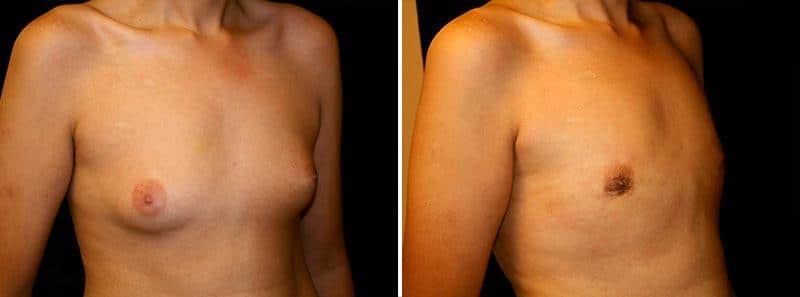
Symptoms may include puffy nipples, visible breast fullness, tenderness, embarrassment in fitted shirts, and loss of confidence. Male breast reduction surgery is considered the definitive solution for gynecomastia, as it removes breast tissue and fat—often using liposuction plus direct excision through small incisions—to create a flatter chest. Gynecomastia surgery is typically performed as an outpatient procedure, with patients sent home the same day.
The procedure also creates an internal space under the skin where fluid can accumulate.
What Are Post-Operative Drains in Gynecomastia Surgery?
Post-operative drains are tubes used by surgeons to collect excess fluid or blood from the surgical site, preventing accumulation under the skin that can lead to complications such as seromas or hematomas.
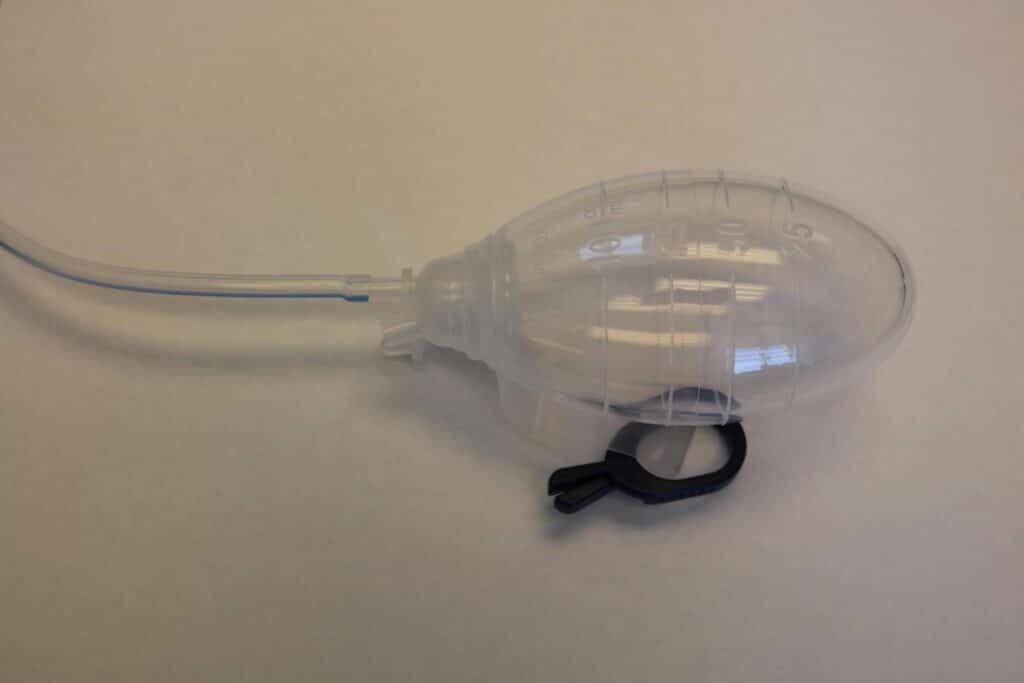
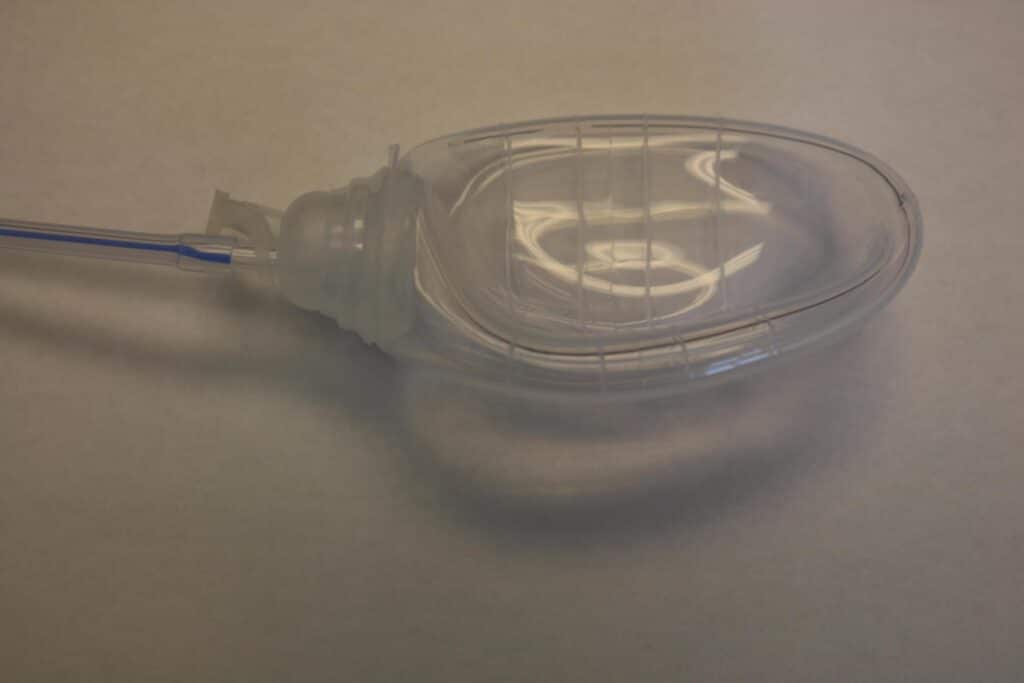
A Jackson-Pratt (JP) drain system is commonly used in surgical procedures. It consists of a thin, flexible silicone tube connected to a drain bulb that provides continuous vacuum suction to draw fluid from the chest cavity. The patient or caregiver squeezes the bulb, caps it, and gentle suction draws fluid into the bulb.
The tube exits through a tiny drain site near the lower chest, a natural crease, or hair-bearing area in the axilla. Drains are common in plastic surgery procedures where large tissue planes are lifted, such as abdominoplasty, breast reduction, and many cases of gynecomastia.
Why Drains Are Often Needed After Gynecomastia Surgery
Gynecomastia surgery leaves an open cavity between the skin and the chest wall. Drains are typically placed in the chest to remove blood and lymphatic fluid that accumulates after the procedure, and are usually left in place for 1 to several days, depending on the volume of drainage.
Drains help:
- remove blood and lymph
- reduce pressure on incisions
- help skin adhere to surrounding tissues
- protect chest shape
- prevent complications during the early healing process
In moderate or severe gynecomastia, more glandular and fatty tissue is removed, creating a larger raw tissue surface. When liposuction is combined with excision, early oozing can be higher. The surgeon’s preference determines the decision to place drains—including the exact location and number—based on the specific procedure and individual patient needs. Dr. Delgado decides whether patients require drains during consultation and may adjust that plan during surgery.
The Design Difference: Channels vs. Perforations
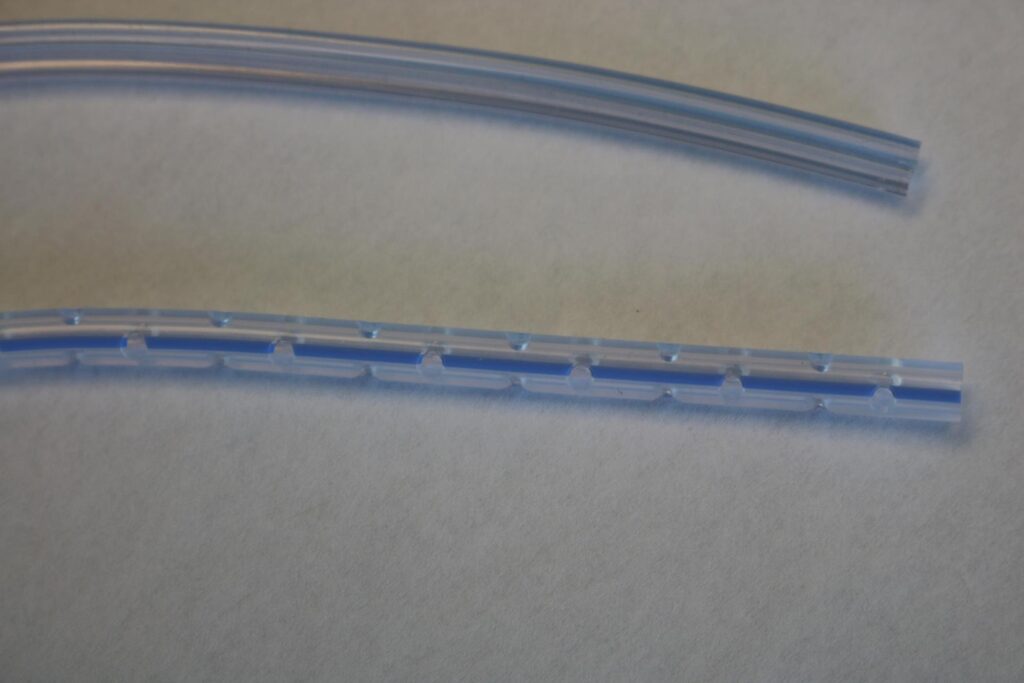
To understand why a channel drain (such as a Blake or Jackson-Pratt channel drain) is significantly more comfortable to remove than a traditional perforated (round) drain, it helps to look at how each type of drain is physically constructed.
Perforated Drains
Traditional perforated drains consist of a hollow, round silicone or rubber tube with several individual holes (perforations) punched into the sides near the tip.
- The Healing Problem: As the body heals, healing tissue (granulation tissue) and small blood clots often grow into these holes.
- The Removal Pain: When the surgeon pulls the drain out, that newly formed tissue has to be forcefully sheared or torn away from the holes. This mechanical ripping of tissue inside the wound bed is the primary cause of the sharp, stinging pain patients feel during removal.
Channel Drains
Instead of a hollow tube with holes, a channel drain features a solid core with four smooth, continuous grooves or channels running along its length. Capillary action draws fluid into these channels, which is then pulled out by suction.
- The Healing Advantage: Because there are no enclosed holes, there are no structural apertures for tissue to grow into and become trapped. Tissue simply rests against the flat, smooth ridges of the outer channels.
- The Removal Comfort: When it is time for removal, the drain glides smoothly over the tissue planes with minimal friction and no tearing, transforming a painful extraction into a sensation that most patients describe as a mild, brief pressure or “slipping” feeling.
Additional Recovery Benefits of Channel Drains
Beyond minimizing pain during removal, the open-groove architecture offers a few other distinct clinical advantages:
- Reduced Secondary Trauma: Because the drain doesn’t tear tissue as it’s removed, there is far less microbleeding in the surgical cavity, lowering the risk of a late-stage hematoma.
- Lower Risk of Clogging (Occlusion): Traditional holes can easily become blocked by a single tissue fragment or blood clot, causing fluid to back up. Channel drains maintain fluid flow through multiple open pathways.
- Kink Resistance: The solid-core design allows the drain to bend and conform to the body’s internal contours without collapsing or kinking, ensuring consistent suction throughout your early recovery.
Seromas, Hematomas, and Other Problems When Drains Are Not Used
Without drains, there is an increased risk of seroma formation, which can lead to discomfort, swelling, and potential infection requiring further medical intervention. A seroma is a pocket of clear yellow fluid that may appear days or weeks after surgery.
The absence of drains can lead to hematoma development, which involves blood pooling in the surgical area, increasing the risk of pain and potentially severe health issues like tissue necrosis. Hematomas usually occur within 24 to 48 hours and may cause sudden swelling, bruising, and a painful, tight chest.
Not using drains can increase the risk of infection, as fluid accumulation creates an ideal environment for bacterial growth, potentially leading to more severe infections. Fluid accumulation without drains can delay healing by physically separating tissues that need to adhere, complicating recovery and potentially leading to poorer aesthetic outcomes.
How Drains Work in Practice: What Patients Can Expect
Most patients worry more about drains than they need to. In the operating room, the surgeon places the tube in the cavity, brings it out through the drain site, secures it, and activates suction before the patient wakes up.
During the first 24 to 72 hours, drainage may look bloody, then lighter or straw-colored. Patients with surgical drains must measure and log fluid output 2 to 4 times a day as part of daily maintenance. Monitoring the fluid volume and color from a surgical drain allows surgeons to track healing progress and detect potential issues early.
Keep a bandage or gauze pad over the drain site. A little leakage is normal. Some surgeons allow showering after 24 to 48 hours; others recommend sponge baths until the drain is removed. If cleared to shower, keep the tubes supported so they do not pull.
Contact your surgeon if you experience bright red blood rapidly filling the bulb, sudden stop in drainage with swelling, fever, increasing tenderness, redness, or worsening pain.
When Are Drains Removed After Male Breast Reduction?
Drain removal happens when output is low and stable. Surgical drains are typically removed two to five days post-surgery or when daily drainage falls below 25 to 30 cc. This timeline may differ for younger patients, and parents dealing with teen surgery should understand teenage gynecomastia and how it affects adolescents before deciding on operative treatment.
Removal is done at a post-operative visit. It is quick and may feel like mild stinging or pressure for a few seconds. After the drains are removed, a small dressing is placed, and minor oozing can occur for a day or two.
Initial results from gynecomastia surgery become visible immediately, but it can take three to six months for all residual swelling to resolve.
Alternatives to Drains: Mattress Sutures and Quilting Techniques
Modern plastic surgery also uses drain-sparing methods. Mattress sutures and quilting sutures tack the undersurface of the chest skin to the pectoral fascia, reducing dead space. For men whose main concern is prominent areolae, especially puffy nipples related to gynecomastia, these techniques can be tailored to improve contour while minimizing fluid buildup.
These sutures can be particularly reassuring for families who have read stories like this mother’s testimony about her son’s gynecomastia journey, showing how careful planning can limit complications and support a smoother emotional experience. These sutures:
- Limit areas where fluid can collect
- Distribute tension
- May reduce post-operative drainage
Quilting sutures reduce the incidence of seroma and hematoma compared to drains alone. In mild cases, compression garments plus sutures may be enough. In larger cases, Dr. Delgado may combine suturing with temporary drains for a safer approach.
The Role of Compression Garments and Overall Aftercare
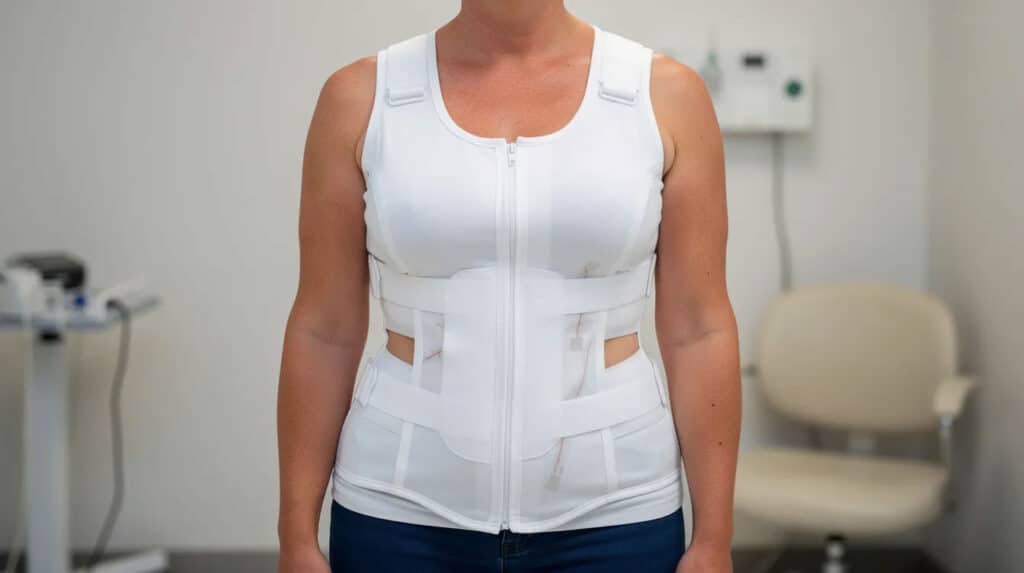
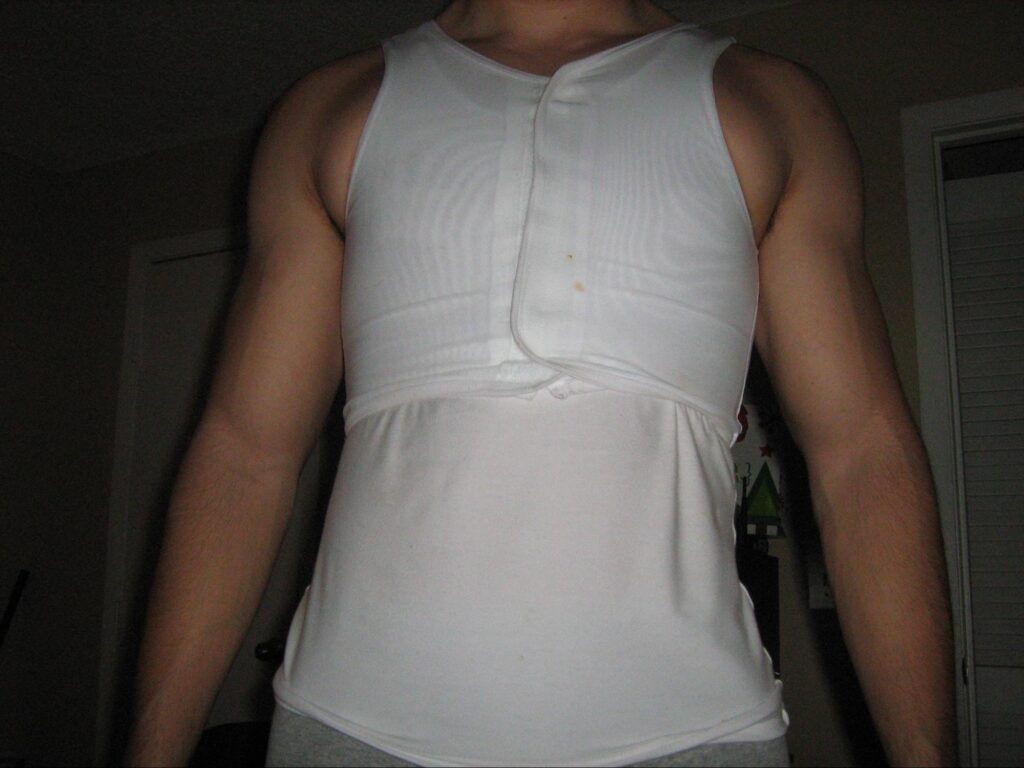
Drains are only one part of recovery. Recovery timelines for gynecomastia surgery may include wearing a supportive compression vest nearly 24/7 for several weeks.
Compression garments help skin settle, reduce swelling, support incisions and the drain site, and promote healing after removal. Seeing how common this condition is—even among well-known celebrities who have dealt with gynecomastia—often encourages patients to stick with their aftercare and focus on long-term results. Patients should avoid heavy lifting and vigorous upper-body workouts for four to six weeks post-surgery to ensure proper healing.
Avoid smoking, nicotine, and unnecessary blood thinners unless prescribed. These precautions support health, reduce bruising, lower the risk of infection, and help patients safely return to normal activities.
Balancing the Benefits and Drawbacks of Drains
Drains are helpful, but they remain foreign objects. They can cause temporary discomfort, pulling, limited arm movement, and the need to record drainage volume. There is also a small risk of infection along the drain tract.
The benefit is that post-operative drains can accelerate healing by preventing fluid buildup, which can create pressure on incisions and disrupt normal healing, ultimately contributing to better aesthetic outcomes.
For many men, several days of drain care are worth it to reduce complications, swelling, scars from revisions, and the risk of a more difficult recovery period.
Dr. Miguel Delgado’s Approach to Drains in Gynecomastia Surgery
Dr. Miguel Delgado is a board-certified plastic surgeon in the San Francisco Bay Area and Marin County with extensive experience in gynecomastia surgery. He evaluates each patient’s breast size, skin quality, medical history, risk factors, and expectations. The use and placement of drains can also depend on the surgeon’s preference and individual surgical technique.
He is more likely to recommend drains for large-volume gland and fat removal, revision surgery, bleeding-risk medications, or combined body contouring procedures. In minimal cases, he may use sutures and compression instead.
If you’re wondering if you need drains after gynecomastia surgery, the best answer is: it depends on your anatomy and risk. Schedule a complimentary virtual or in-office consultation with Dr. Delgado by filling out the online contact form or calling (415) 898-4161 to learn what your procedure is likely to require.
Frequently Asked Questions About Drains After Gynecomastia Surgery
Will having drains increase my risk of infection?
Any foreign object theoretically increases the risk of infection. However, undrained fluid and blood can also feed bacteria. Sterile placement, careful care, and early removal usually make drains protective.
Can I shower and sleep normally with drains in place?
You may be cleared to shower after the drains are removed, and you may need sponge baths at first. Sleep on your back with your upper body elevated, and secure the drain bulb to avoid pulling on the tubes.
Will I need drains for my gynecomastia surgery?
This is decided on a case-by-case basis. Many do not require drains. Dr. Delgado will examine your chest, review photos, and explain whether drains, quilting sutures, compression, or a combined plan is best.
What happens if I develop a seroma even though I had drains?
Seromas can still occur, though drains reduce the risk. Treatment may include office evaluation, needle aspiration, compression, and activity modification until the fluid resolves.
How will I know if something is wrong with my drain?
Call the office the same day for a bulb that will not hold suction, sudden changes in drainage, rapid bleeding, increasing redness, warmth, fever, or worsening tenderness.