Contact Us

When to Undergo Male Breast Reduction
Gynecomastia, the development of enlarged breast tissue in males, can be a source of significant physical and psychological discomfort. While surgery is often considered an effective treatment option, determining the ideal time to undergo gynecomastia surgery requires...
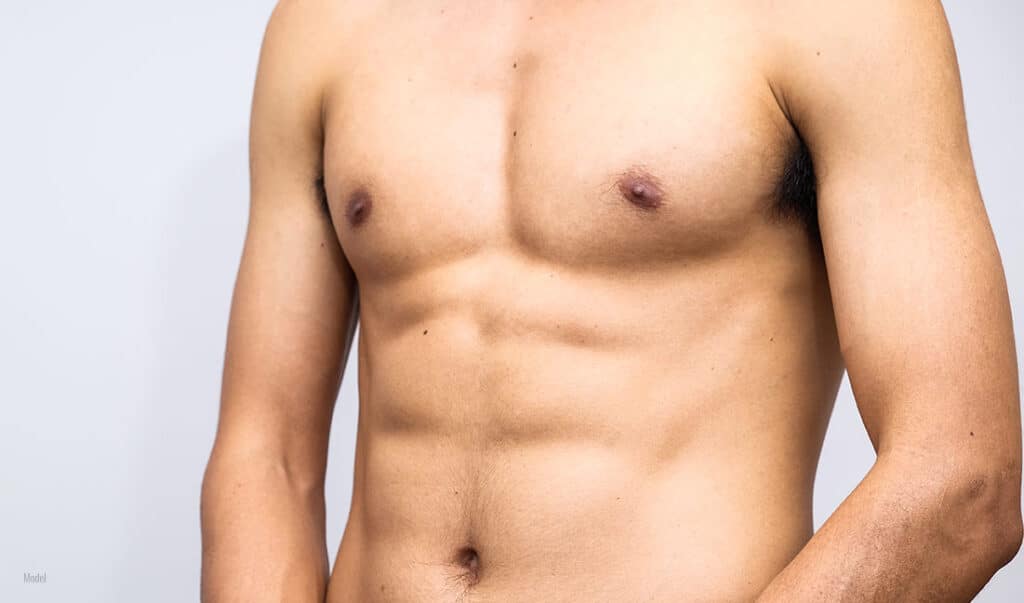
Do I Have Gynecomastia or Pseudogynecomastia?
Gynecomastia and pseudogynecomastia are two terms used to describe the enlargement of male breast tissue. While both can result in similar physical and psychological manifestations, they have distinct underlying causes and require different approaches to diagnosis and...

5 Coping Strategies to Help With Medication-Induced Gynecomastia
Dealing with gynecomastia of any cause can be distressing, but when necessary medications are at the root of this condition, it can be particularly difficult. Several drugs are known to cause gynecomastia (breast enlargement in males), and what makes this form of...
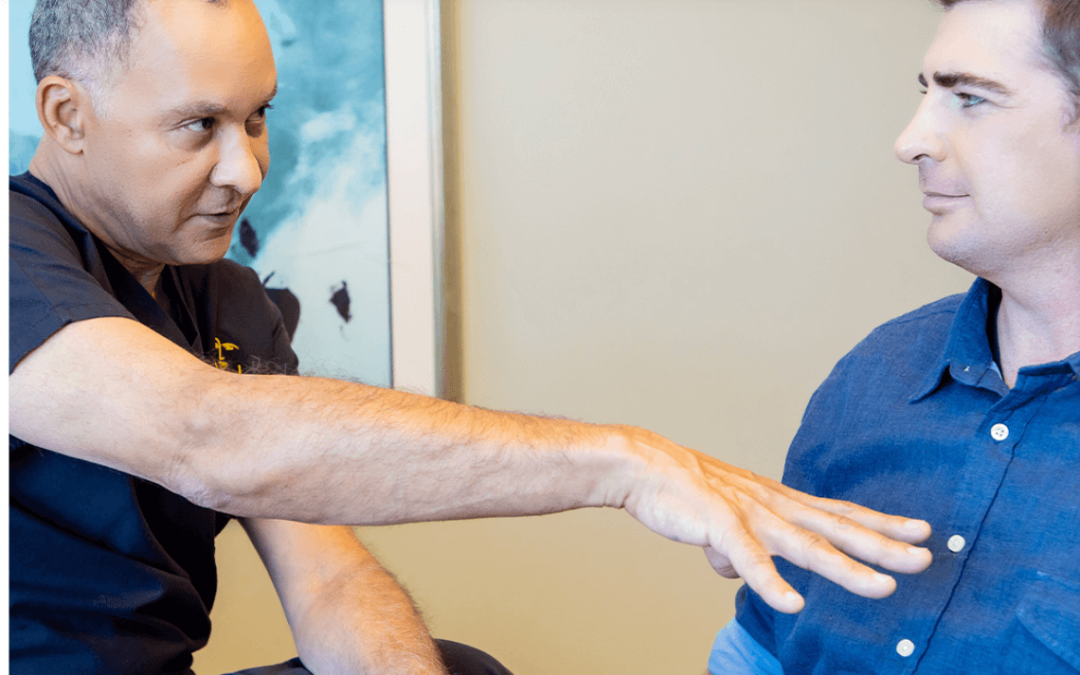
What to Expect at a Gynecomastia Consultation
If you've taken the step to schedule a gynecomastia surgery consultation, it's normal to be a little nervous. Undergoing plastic surgery to correct excess breast tissue is a big step and one that shouldn't be taken lightly. But knowing what to expect from your initial...

Managing Gynecomastia Through Lifestyle Changes and Exercise
Gynecomastia is a condition where male breast tissue becomes enlarged, causing the appearance of male breasts. Enlarged breast tissue can be extremely embarrassing for men, especially in social situations like the beach or pool. If you're experiencing mental distress...

©Copyright 2020 Gynecomastia.org. All rights reserved. Use and access to this site are subject to the terms and conditions as set out in our Legal Statement and Privacy Statement.
The content on Gynecomastia.org is for educational purposes only. It is not intended as medical advice. It does not replace the need to meet with a physician who will accurately diagnose your condition and suggest treatment options.
Connect With Us
